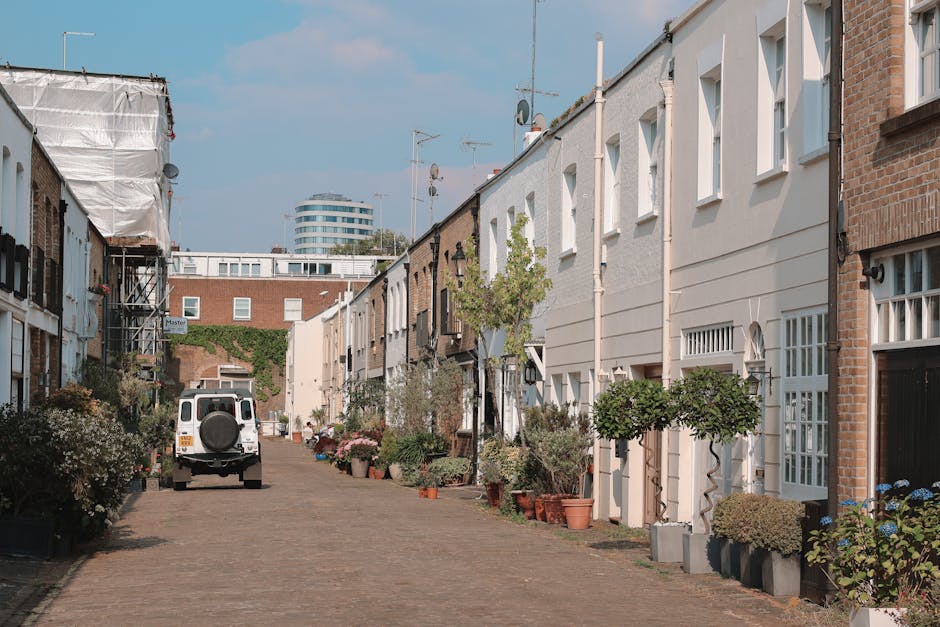
Brick Lane garden maintenance guide for terraced homes
If you live in a terraced home around Brick Lane, you already know the garden can be both a joy and a bit of a juggling act. Space is tight, privacy is limited, and one windy week can turn a neat little yard into a tangle of pots, leaves, and half-hardened soil. This Brick Lane garden maintenance guide for terraced homes is here to make that easier. It breaks down what matters, what to do first, and how to keep a compact garden looking cared for without turning it into a second job.
Whether your outdoor space is a paved courtyard, a narrow rear garden, or a shared access strip with a few beds squeezed in, the same basic rule applies: small gardens need steady attention, not occasional heroics. Truth be told, that is usually the difference between a space you use and a space you just keep meaning to sort out.
Table of Contents
- Why this matters for Brick Lane terraced homes
- How terraced garden maintenance works
- Key benefits and practical advantages
- Who needs this and when it makes sense
- Step-by-step guidance
- Expert tips for better results
- Common mistakes to avoid
- Tools, resources and recommendations
- Law, compliance and best practice
- Options, methods and comparison table
- Case study / real-world example
- Practical checklist
- Conclusion
- Frequently asked questions
Why Brick Lane garden maintenance guide for terraced homes Matters
Terraced homes in Brick Lane and the surrounding East London streets tend to share a few characteristics: limited garden width, close neighbours, patchy sunlight, and surfaces that trap debris quickly. That combination changes how garden care works. You are not maintaining a sprawling lawn here; you are managing a compact living space that has to cope with foot traffic, shade, moisture, and the occasional blast of city dust.
A small garden in this part of London can look great, but only if the maintenance is tailored to the space. A general suburban routine often misses the point. For example, mowing is less central than edging, pruning, weeding, drainage, and keeping hard surfaces safe underfoot. If you have timber features or seating, they also need regular checks because damp pockets build up fast.
There is another reason this matters: terraced gardens often sit directly behind living rooms and kitchens, so the outside space affects how the whole home feels. A tidy yard makes the back of the house feel brighter, calmer, and more usable. Let it slip, and suddenly every trip to the bin feels like stepping through a miniature jungle. Not ideal, really.
For homeowners who want professional support, it can help to understand the wider service picture first. A page like services overview gives a useful sense of what can be covered, while dedicated options such as garden maintenance are often the most direct fit for routine care.
How Brick Lane garden maintenance guide for terraced homes Works
At its simplest, terraced garden maintenance works by dividing the space into zones and giving each zone the right level of attention. That sounds almost too basic, but it is the key. You are not trying to do everything every week. You are trying to do the right things at the right time.
Most small Brick Lane gardens can be thought of in five parts:
- Surface care - sweeping, pressure-sensitive cleaning where appropriate, weed removal, moss control, and keeping paths safe.
- Plant care - pruning, deadheading, feeding, watering, and replacing tired plants with more suitable ones.
- Structural care - checking fences, planters, raised beds, decking, trellis, and gates.
- Waste control - leaf collection, green waste removal, and periodic clear-outs.
- Seasonal adjustment - changing tasks depending on light, rainfall, growth speed, and temperature.
In practice, a good routine might mean a 20-minute tidy-up once a week, a deeper maintenance session every few weeks, and a more thorough refresh at the start of each season. If the garden is used for sitting out, children, pets, or food growing, the schedule needs a bit more care. Nothing dramatic. Just steady, sensible attention.
For neglected spaces or overgrown back gardens, starting with a proper reset can be easier than trying to tidy around the mess. In that case, garden clearance can be the practical first step before you move back into routine maintenance.
Key Benefits and Practical Advantages
The biggest benefit of regular maintenance is simple: the garden stays usable. A compact outdoor space should not feel like a chore to cross. If it does, it usually means the upkeep rhythm is off.
Here are the main advantages of keeping on top of a terraced garden near Brick Lane:
- Better use of limited space - every square metre matters when the garden is small.
- Healthier planting - regular pruning, feeding, and watering help plants cope with heat, shade, and container living.
- Improved safety - fewer slippery patches, less trip risk, and clearer access routes.
- Lower long-term effort - small tasks done often are much easier than a huge seasonal rescue.
- More privacy and comfort - tidy hedges, climbers, and boundary planting can soften overlooked terraced layouts.
- Higher kerb appeal from the rear - not just the front of the house, but the back matter too.
There is also a practical money angle. When planting beds are maintained properly, you replace fewer plants. When hard surfaces are kept clear, they last longer and stay less hazardous. And when a garden is structured well, you are less likely to need a big remedial job later. It is the old boring truth that tends to save people stress.
For features like timber platforms or seating areas, it can be sensible to think beyond simple tidying. A well-kept deck area, for instance, often works best when the rest of the garden is being managed too. If that is part of your setup, decking services may be relevant alongside ongoing garden care.
Who This Is For and When It Makes Sense
This guide is mainly for owners and tenants of terraced homes with compact outdoor space, but the scenarios vary quite a bit. Some people have a tiny paved yard with just a few pots. Others have long, narrow gardens that are part shade, part sun, and part storage area. A few have inherited overgrown spaces from previous occupants and need to get them back under control without losing weekends for the next six months.
This approach makes sense if you are:
- new to maintaining a small urban garden;
- short on time and need a manageable routine;
- trying to make a narrow garden look larger and calmer;
- dealing with shade, damp, or poor drainage;
- wanting to keep a rental property presentable;
- preparing to sell or let a home and want the rear garden to look cared for;
- struggling to keep up with growth during spring and early summer.
It also suits people who do some work themselves but want support for the trickier parts, such as hedge shaping, waste removal, or seasonal reset work. In those cases, specialist help like hedge trimming, lawn mowing, or even tree lopping and removal may be more sensible than trying to tackle everything with a small pair of shears and determination alone.
Step-by-Step Guidance
A terraced garden maintenance routine works best when you build it in layers. Start with the basics, then add seasonal jobs later. Don't try to transform everything in one day unless you enjoy sore shoulders and a stack of bin bags by the back door.
1. Walk the space slowly
Begin with a proper look around. Not a quick glance. Notice where water gathers, where moss appears, where weeds are re-emerging, and which plants are actually thriving. In small gardens, small problems show up quickly. That is annoying, yes, but it is also useful because you can respond early.
2. Remove loose debris
Clear leaves, twigs, dead stems, and any rubbish that has blown in from the street or neighbouring plots. In a Brick Lane setting, wind can carry more than you expect, especially through narrow side returns and alleyways. A clean surface gives you a better view of everything else.
3. Cut back what is overgrowing
Prune shrubs, trim soft growth, and remove anything blocking light or access. For terraced gardens, this step is often about balance. You want enough growth for privacy and texture, but not so much that the garden feels cramped. If your boundaries are heavily planted, targeted hedge trimming can make an immediate visual difference.
4. Weed carefully and consistently
Weeds in small gardens rarely need to become a crisis. The trick is consistency. Pull them when the soil is damp and the roots are easier to release. Check paving cracks, container edges, and the back of raised beds. A few minutes here and there saves a much more frustrating clear-up later.
5. Check watering and drainage
Terraced homes often have pockets of shade and awkward drainage. Pots dry out fast in summer but stay soggy in winter. Beds may need better soil structure, and surfaces may need slight regrading or better run-off control. If you notice standing water after rain, do not ignore it. That sort of thing rarely fixes itself.
6. Refresh soil and feeding
Container gardens especially benefit from top-ups. Replace tired compost, feed seasonal plants appropriately, and mulch where you can. Mulch helps lock in moisture and suppress weeds. It is one of those jobs that feels small but pays you back several times over.
7. Review hard landscaping
Look at paving, decking, edging, and steps. Loose joints, slippery algae, or damaged boards should be addressed before they become a nuisance or a safety issue. If the hardscape is failing, maintaining the planting alone will not fully solve the look of the garden. In bigger refreshes, landscaping or landscape gardening may be the right next move.
8. Finish with waste removal and a visual reset
Bag up green waste, sweep the surfaces again, and step back. This final part matters more than people think. A garden can be technically tidy but still feel unfinished if the surface is dusty, messy, or cluttered with tools. That last five-minute reset gives the whole space breathing room.
Expert Tips for Better Results
Here are a few practical things that make a noticeable difference in terraced gardens, especially in busy parts of East London.
- Choose plants that cope with real conditions. Shade-tolerant, compact, and drought-tolerant plants often perform better than high-maintenance showpieces.
- Use containers with purpose. Too many little pots can look fussy and make cleaning harder. Fewer, larger containers are often easier to manage.
- Keep a clear walking line. In a narrow garden, the route from the house to the back gate or seating area should feel obvious and safe.
- Prune for shape, not just size. A badly cut shrub can look more untidy than a slightly larger one that has been shaped well.
- Leave room for the weather. Brick Lane gardens can get hot against walls in summer and damp in shaded corners after rain. Plan for both.
- Do not overwater out of guilt. It happens. People see drooping leaves and panic. But some plants need less water than you think.
One small but useful habit: keep a note of what changes month by month. Nothing fancy. Just a phone note. You will quickly spot patterns, like which corner always floods or which climber becomes over-enthusiastic by June. That kind of memory saves time next season.
If you want to reduce the amount of green waste leaving the garden, it is worth thinking about sustainability from the start. The page on recycling and sustainability is useful for understanding a more responsible approach to garden waste and materials.
Common Mistakes to Avoid
Terraced gardens are small enough that mistakes show up fast. The upside is you can correct them quickly too.
- Overplanting - too many species, too many containers, too much visual noise.
- Ignoring access - if you cannot reach the back properly, maintenance becomes harder every month.
- Leaving pruning too long - once growth gets woody or tangled, the job becomes more disruptive.
- Using the wrong plants for shade - many gardens behind terraced homes do not get the full sun they were promised in the daydream.
- Letting waste pile up - a couple of tidy sessions can be undone by one ignored corner.
- Confusing tidy with healthy - a surface can look neat while the soil, roots, or drainage are struggling underneath.
Another common one: buying new plants before sorting the structure. It is tempting. Plants are the fun part. But if the bed edges are collapsing or the drainage is poor, you are just decorating a problem. Sort the base layer first.
And yes, every gardener has had the "I'll just do this bit later" moment. Later usually arrives wearing muddy boots and asking awkward questions.
Tools, Resources and Recommendations
You do not need a shed full of equipment to maintain a Brick Lane terraced garden well. A small, reliable toolkit is usually better than lots of gadgets that never get used.
| Tool or resource | Best use | Why it helps in a terraced garden |
|---|---|---|
| Secateurs | Light pruning and deadheading | Ideal for regular touch-ups without disturbing the whole bed |
| Hand fork and trowel | Weeding and soil work | Useful in tight spaces and containers |
| Stiff broom or garden brush | Sweeping paving and steps | Keeps narrow yards tidy and safe |
| Hose or watering can | Watering plants evenly | Helpful where taps and access points are awkward |
| Compost and mulch | Soil improvement and weed suppression | Supports plant health in small beds and pots |
| Professional maintenance support | Routine care, cutting, waste removal, and resets | Saves time when the space is overdue a proper tidy |
For homeowners who want regular help rather than a one-off job, garden maintenance is usually the most flexible starting point. For bigger seasonal overhauls, garden clearance can remove the backlog before routine work begins again.
If you are comparing professional support, it also helps to look at service information, pricing guidance, and company policies before you book. Pages such as pricing and quotes, about us, and insurance and safety can give you a clearer sense of what to expect. That sort of detail matters. It really does.
Law, Compliance, Standards, or Best Practice
Garden maintenance for terraced homes is not usually a heavily regulated activity, but there are still sensible standards to follow. In a dense residential setting like Brick Lane, the main issues are safety, nuisance, waste handling, and avoiding damage to shared or neighbouring property.
Best practice usually includes:
- keeping pathways clear and free from slip hazards;
- disposing of green waste responsibly;
- using tools and equipment safely and appropriately;
- avoiding unnecessary disturbance to neighbouring gardens or walls;
- checking for overhead branches, unstable structures, or hidden hazards before starting work.
If trees are part of the space, care becomes more important. Larger limbs, boundary overhang, and root spread may need professional judgement rather than a quick cut. In those cases, it is wise to consider specialist support such as tree lopping and removal, especially where access is tight or the work could affect neighbouring property. Better to be cautious than to create a mess for everyone on the street.
Professional providers should also be clear about safety procedures, insurance, and how they handle waste or access. Reading a company's health and safety policy and related service information is a sensible step, particularly for homes with awkward access, pets, children, or fragile structures.
Options, Methods, or Comparison Table
There is no single right way to maintain a terraced garden. The best option depends on time, budget, condition, and how much of the work you enjoy doing yourself. Here is a simple comparison.
| Approach | Best for | Pros | Trade-offs |
|---|---|---|---|
| DIY weekly upkeep | Small, healthy gardens | Low cost, flexible, keeps you close to the space | Easy to fall behind when life gets busy |
| Mixed DIY and professional help | Most terraced homes | Good balance of control and convenience | Needs coordination and clear priorities |
| Regular professional maintenance | Busy households or more demanding gardens | Reliable, tidy, and less stressful | Ongoing cost, though often easier to budget |
| Seasonal clearance only | Gardens that are mostly left alone | Fast reset when things are overgrown | Does not prevent the garden slipping again |
If your space is used often and you want it to stay pleasant without constant effort, mixed care is usually the sweet spot. A bit of DIY, a bit of professional support, and a good routine. Simple enough, but surprisingly effective.
Case Study or Real-World Example
Here is a realistic example based on the kind of terraced garden many Brick Lane households deal with. Imagine a narrow rear garden with paving near the house, a couple of raised beds, one small tree, and a fence line that collects shade and moss. The space looks fine from the kitchen, but outside it feels cluttered. Pots have multiplied. The middle section is muddy. The tree has started blocking daylight, and the paving is a little slick after rain.
The maintenance process would usually start with a reset: remove dead material, clear the surface, check the raised beds, and cut back the problem growth. Then the garden would be divided into manageable zones. The paving gets regular sweeping and spot cleaning. The beds get a seasonal refresh and better planting choices. The tree is assessed more carefully so it can be shaped without overcutting. A few containers are removed, because honestly, they were doing more harm than good.
After that first reset, upkeep becomes much lighter. A weekly tidy keeps the paving clean. A monthly shaping session holds the planting together. In spring and early summer, growth is checked more often. By late autumn, leaf management matters more than mowing. The point is not perfection. The point is a garden that feels lived in, useful, and under control.
That is usually when people notice the real payoff: the back door gets opened more often, the space feels brighter, and nobody is making apologetic comments about "the garden situation" anymore. A small win, but a real one.
Practical Checklist
Use this checklist to keep your terraced garden maintenance on track:
- Check for weeds in paving, beds, and container edges.
- Sweep paths, steps, and patio areas.
- Remove leaves, dead stems, and broken plant material.
- Prune overgrowth before it blocks light or access.
- Inspect fences, gates, edging, and raised beds.
- Look for signs of poor drainage or standing water.
- Water containers and beds according to season and shade.
- Refresh mulch or compost where needed.
- Check hard surfaces for algae, dirt, or loose joints.
- Bag and remove green waste regularly.
- Review whether the current planting still suits the space.
- Book help for larger tasks before they become too much.
If you only do three things this month, make them sweeping, pruning, and waste removal. That alone can change how the whole garden feels.
Get a free quote today and see how much you can save.
Conclusion
A terraced home garden in Brick Lane does not need to be big to be beautiful, useful, or relaxing. It just needs maintenance that suits the reality of the space. Keep the surfaces clean, the planting controlled, the drainage watched, and the waste under control, and you will get far more from the garden with far less stress.
The smartest approach is usually steady and practical rather than dramatic. Small jobs done consistently beat one huge clean-up every time. And if your outdoor space has become more demanding than you want to handle alone, there is nothing wrong with bringing in support. It is not defeat. It is just sensible home care.
For trusted information on services, company background, and next steps, you can also review the services overview and contact us when you are ready. A well-kept garden changes the feel of a home more than people expect. Little by little, it adds back calm.
Frequently Asked Questions
How often should I maintain a terraced garden in Brick Lane?
For most small gardens, a light weekly tidy and a deeper monthly check works well. In spring and early summer, you may need to do a bit more because growth can pick up quickly.
What is the most important part of maintaining a small terraced garden?
Regular upkeep. In compact spaces, problems build up fast, so sweeping, weeding, pruning, and waste removal matter more than occasional big jobs.
Do I need a lawn in a Brick Lane terraced home garden?
Not at all. Many terraced gardens work better as paved, planted, or mixed-use spaces. A lawn can be high-maintenance in shade-heavy or narrow yards, so it is not always the best choice.
What should I do if my garden gets very overgrown?
Start with a clearance rather than trying to maintain around the mess. Once the space is reset, routine maintenance becomes much easier to keep on top of.
How do I stop weeds coming back so quickly?
Stay consistent with removal, improve ground cover where possible, and use mulch in beds. Also check cracks in paving and the edges of containers, because weeds love those spots.
Can I maintain a terraced garden myself?
Yes, many people do. A small toolkit and a simple routine can go a long way. If the garden has heavy growth, awkward access, or larger structural issues, professional help can save a lot of time.
What kind of plants work best in a narrow urban garden?
Plants that tolerate shade, wind, and container growing often perform best. Compact shrubs, hardy perennials, climbers, and plants suited to partial light are usually safer choices than delicate showy varieties.
How do I make a small terraced garden look bigger?
Keep the layout uncluttered, reduce the number of pots, use vertical planting where sensible, and maintain clean lines along paths and edges. A tidy garden always reads as larger than a crowded one.
Is garden clearance different from regular maintenance?
Yes. Clearance is a one-off or occasional reset for a neglected or heavily cluttered space, while maintenance is the ongoing work that keeps the garden in good shape afterwards.
Should I worry about safety in a small back garden?
Absolutely, especially if there are slippery surfaces, uneven paving, loose edging, or overhanging branches. Small gardens can still cause trips and falls if they are not checked regularly.
What if I share a boundary with neighbours?
Be careful with pruning, access, and waste. It is always better to keep communication clear and avoid cutting anything that might affect a shared wall, fence, or overhang without checking first.
Where can I find more information about professional support?
It helps to look at service details, pricing guidance, and company policies before booking. Pages like pricing and quotes, garden maintenance, and about us are a sensible place to start.
What is the best first step if I feel overwhelmed by the garden?
Do the smallest useful thing first: clear the surface, remove waste, and trim the worst overgrowth. Once the space is visible again, the rest becomes much easier to plan. One step at a time is fine.