Gardener Whitechapel: Recycling and Sustainability
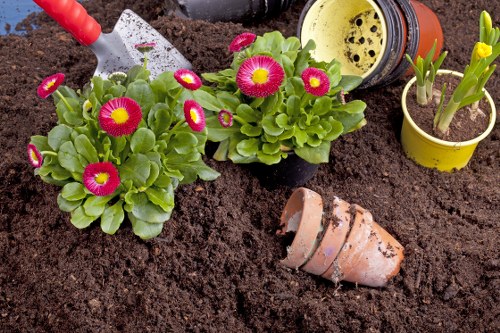 Gardener Whitechapel is committed to creating an eco-friendly waste disposal area and a resilient, sustainable rubbish gardening area across Whitechapel and surrounding boroughs. Our approach balances practical on-the-ground gardening waste services with an ambitious environmental strategy: we separate green waste at source, sort wood and soil for reuse, and prioritise materials that can be returned to the local circular economy. This page explains our recycling ambitions, partnerships, and the infrastructure that supports low-carbon gardening and waste disposal in the neighbourhood.
As a local Whitechapel gardener recycling provider, we work within the boroughs' approach to waste separation, aligning with municipal kerbside rules and shared community schemes. We operate in step with local guidance on separating biodegradable garden waste, compostables and mixed dry recyclables, and we aim to supplement municipal services with an organised, onsite clean-up and reuse programme. Our teams make sure that what can be composted, shredded for mulch, or passed on to social projects is diverted from landfill.
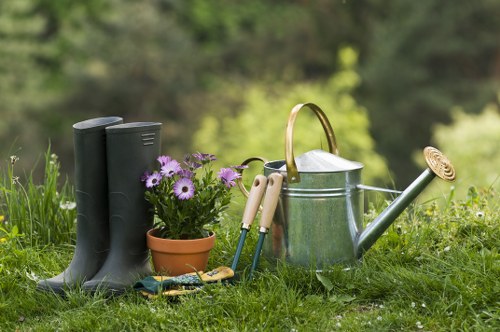 Our policy is to keep the lines between gardening rubbish and recyclable materials clear: green waste, cuttings and soil are routed to composting and mulch partners; timber and planters that are still usable are cleaned and rehomed; plastics and packaging are sorted for municipal recycling. We also incorporate the boroughs' segregation standards into our operations so residents and small businesses know exactly how to separate materials before collection.
We have set a measurable recycling percentage target to ensure accountability and progress: our immediate goal is a 70% recycling and reuse rate for all gardening and site-clearance waste within two years, rising to a long-term target of 80% within five years. This recycling percentage target covers diverted organic matter, reused timber, donated materials redistributed via partners, and all items processed at licensed facilities rather than being sent to landfill.

Partnerships and Local Networks
To achieve these goals Gardener Whitechapel develops strong partnerships with community charities, social enterprises and licensed transfer stations. We work with organisations such as local community allotments, Groundwork London and redistribution networks to ensure usable items re-enter the local green economy. By collaborating with charity projects and volunteer schemes we keep usable soil, raised-bed timber and surplus plants in the community rather than letting them go to waste.Core activities and practical steps
Our operational model includes:- Source-separated collections for green waste, timber and inert materials
- Use of nearby local transfer stations and licensed waste facilities to ensure legal, accountable processing
- Regular donations and handovers to charity gardening projects and community allotments
- Onsite composting and chipping to create mulch and soil conditioners
We liaise with local transfer stations, ensuring every load is tracked and processed through approved routes. Partner transfer stations within East London and nearby borough facilities help us move material quickly from collection to processing plants, reducing double-handling and emissions. Where boroughs operate separate food or garden waste streams, our teams integrate those requirements into pick-up protocols to ensure compatibility with municipal recycling streams and to support borough-wide recycling targets.
 Low-carbon vans and fleet strategy: Gardener Whitechapel invests in a low-emission approach to collection. Our fleet includes electric and hybrid vans where practical, plus smaller cargo bikes for tight urban runs and last-mile pickup. Combined with route optimisation software and scheduled consolidation points at local transfer stations, this reduces vehicle miles and carbon output. We also employ regular vehicle maintenance and training for drivers to promote eco-driving techniques that cut fuel use and particulate emissions.
 Beyond collections, our sustainable rubbish gardening area model emphasises reuse and material life extension. Planters, trellises and wood are inspected, repaired and reallocated; soil is screened and revitalised using compost produced on-site or at partner composting facilities. Gardener Whitechapel works to create closed-loop outcomes where possible: reclaimed wood becomes beds, compost returns to community gardens, and plastics are recycled into benign products or removed from service.
Our commitment is both practical and measurable: regular audits of diversion rates, partnerships with licensed local transfer stations, and transparent reporting against our recycling percentage target. We publish internal metrics and refine operations to meet local needs and regulatory changes. This means adapting to any shifts in borough policies on waste separation while continuing to advance the eco-friendly waste disposal area model.
As a Whitechapel gardening waste specialist, we also support education efforts with community groups and allotments to raise awareness about what can be composted, how to prepare materials, and why separation matters. Through joint events with charities and volunteer programmes we keep materials in circulation and foster skills in repair, composting and low-carbon gardening practices.
In short, Gardener Whitechapel integrates waste-smart gardening, strategic partnerships, and a low-carbon collection fleet to deliver a truly sustainable rubbish gardening area and eco-friendly waste disposal area in the heart of our community. Our targets, transfer-station partnerships and charity collaborations are all focused on one goal: reducing landfill, cutting emissions, and keeping gardening resources working for Whitechapel for years to come.