Whitechapel Road front garden designs by local gardeners
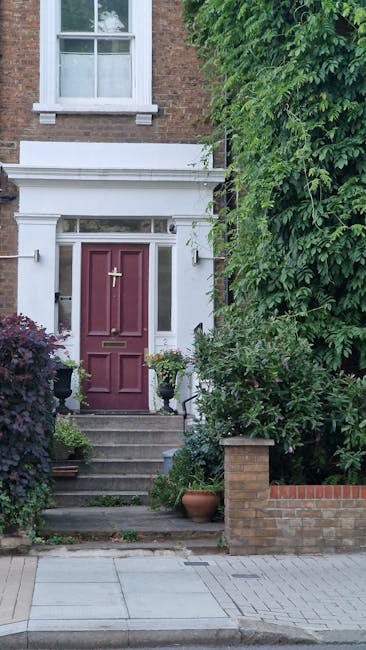
If you are thinking about improving the front of your home, Whitechapel Road front garden designs by local gardeners can make a bigger difference than people often expect. A front garden is the first thing you see when you come back in from the street, and the first thing visitors notice too. On Whitechapel Road, where space can be tight, pavements busy, and homes varied, a well-planned front garden has to look good, work hard, and stay manageable. That is the real challenge.
Done well, it can soften a hard frontage, improve privacy a little, create a cleaner entrance, and even make day-to-day life easier. Done badly, it becomes cluttered, awkward, and high-maintenance before you have even finished the first season. So let us take a practical look at what local gardeners tend to recommend, how the process works, and what actually matters if you want a front garden that suits both your property and the street around it.
Table of Contents
- Why Whitechapel Road front garden designs by local gardeners Matters
- How Whitechapel Road front garden designs by local gardeners Works
- Key Benefits and Practical Advantages
- Who This Is For and When It Makes Sense
- Step-by-Step Guidance
- Expert Tips for Better Results
- Common Mistakes to Avoid
- Tools, Resources and Recommendations
- Law, Compliance, Standards, or Best Practice
- Options, Methods, or Comparison Table
- Case Study or Real-World Example
- Practical Checklist
- Conclusion
- Frequently Asked Questions
Why Whitechapel Road front garden designs by local gardeners Matters
Front gardens do more than decorate a property. In a dense part of London, they help frame the home, define the entrance, and manage the awkward bit between public pavement and private space. That sounds simple, but it is where many designs fall apart. The best Whitechapel Road front garden designs by local gardeners usually start with the street itself: the foot traffic, the available width, the amount of shade, the drainage situation, and how much time the homeowner actually wants to spend maintaining it.
Local gardeners bring a useful reality check. They know that a neat-looking plan is only useful if it still looks decent after a week of wind, a month of rain, and a busy Saturday with bikes, bins, and people coming and going. In other words, the design has to survive real life. Not just the mood board.
There is also a neighbourhood effect. On a road like Whitechapel Road, front gardens contribute to the overall impression of a terrace, conversion, or mixed-use frontage. A tidy, well-proportioned entrance can make the whole property feel calmer and more cared for. That matters if you want something that feels welcoming without becoming fussy.
Truth be told, a front garden is often judged in the first three seconds. That is why structure matters so much.
How Whitechapel Road front garden designs by local gardeners Works
The process usually starts with an on-site look. A local gardener will assess the space as it is, not as a sketch suggests it could be. They will look at access, light levels, existing planting, boundaries, hard surfaces, and the condition of any edging, walls, or paths. If there is a narrow frontage, they will think in layers and lines. If there is a larger area, they may consider zones: entrance path, planting bed, storage screening, and perhaps a small seating or feature area.
From there, the design is normally built around a few practical decisions:
- How much maintenance you want each month or season
- Whether you want planting, hard landscaping, or a mix of both
- How private the frontage needs to feel
- How the design will drain after heavy rain
- Whether the garden should look tidy all year round
Once the plan is agreed, local gardeners often move from structural work to finishing touches. That can mean clearing tired beds, shaping edges, improving soil, adding mulch, refreshing turf or low planting, and possibly pairing the work with landscaping or even simple access improvements such as decking services where suitable. If the front garden has become overgrown or cluttered, a thorough garden clearance may be the sensible first move before any new design goes in.
That sequence matters. Clear first, design second, install third. It is a bit less glamorous, but it saves headaches later.
Key Benefits and Practical Advantages
A good front garden design is not just about beauty. It can solve everyday annoyances in a surprisingly neat way.
- Better kerb appeal: A well-shaped frontage makes the property feel cared for from the street.
- Easier maintenance: Simple planting and sensible layout reduce time spent tidying.
- Clearer access: A good path and border layout makes coming and going easier, especially with prams, shopping, or bikes.
- Improved privacy: Thoughtful planting can soften sightlines without creating a fortress effect.
- Seasonal interest: Smart plant choices can keep the frontage lively across more than one season.
- Better use of limited space: Even a small strip can look generous when designed properly.
One practical advantage people often overlook is the relationship between design and maintenance. A front garden that looks stunning in week one but needs constant pruning by month two is not really a win. Local gardeners usually aim for a balance: enough structure to look polished, enough planting to feel alive, and enough simplicity that it remains manageable with routine care such as garden maintenance and, where needed, lawn mowing.
To be fair, this is where experience matters most. A design drawn for a catalogue is one thing. A design that can cope with shade, bins, damp patches, and the occasional bootprint is another.
Who This Is For and When It Makes Sense
This kind of work suits quite a wide range of homeowners and landlords. You may be a good fit if:
- your front garden looks tired, patchy, or overgrown
- you want a smarter entrance without a huge build
- you are preparing a home for sale or letting and want a stronger first impression
- you need the space to be low-maintenance because time is tight
- you want better privacy or screening from street activity
- you have drainage, shadow, or boundary problems that keep causing repeat issues
It also makes sense if your current layout simply fights how you live. Maybe the path is too narrow, the planting blocks the window, or the garden has become a catch-all for broken pots and random things nobody wants inside. We have all seen that front area where "temporary storage" quietly becomes permanent. No judgement. It happens.
Local gardeners are especially useful when you want the design to feel appropriate to the road. On busy streets, the right choice is not always "more planting." Sometimes it is cleaner lines, tougher materials, or a smaller number of better-chosen plants that cope with urban conditions.
Step-by-Step Guidance
If you are planning a front garden redesign, it helps to think in stages. The process becomes much easier once you stop trying to do everything at once.
- Start with the brief. Decide what you want the front garden to do. Look good? Stay simple? Add privacy? Improve access? Usually it is a mix.
- Measure the space properly. Narrow gardens behave very differently from wider ones. A few missing centimetres can change the whole layout.
- Assess light, drainage, and traffic. A shaded frontage with poor drainage needs different planting and materials from a sunny, dry one.
- Choose the structure first. Paths, edging, boundaries, and any hard landscaping should come before final planting choices.
- Select plants for the conditions. In urban London, hardy, lower-fuss plants often perform better than delicate ones.
- Prepare the ground. Weeds, compacted soil, and old roots need dealing with properly. Otherwise they come back. Of course they do.
- Install and finish. Once structure and soil are right, planting, mulching, edging, and tidy-up can pull the whole thing together.
- Plan maintenance from day one. A front garden should be designed with the next 12 months in mind, not just the day it is completed.
That final point is where many good designs are won or lost. If you can keep the maintenance routine realistic, the garden will still look good when the weather turns and the initial excitement has worn off a bit.
Expert Tips for Better Results
There are a few habits local gardeners tend to use that make a front garden look more expensive and stay easier to care for.
- Keep the planting palette tight. Three to five repeating plant types often look calmer than a crowded mix.
- Use repetition. Repeated shapes or species create order, especially in small spaces.
- Choose sturdy edging. It keeps the bed line clean and stops soil creeping onto paths.
- Think about all seasons. Evergreen structure is helpful, but add some seasonal colour so it never feels flat.
- Leave breathing room. A front garden should not feel stuffed full. Space is part of the design.
- Use mulch sensibly. It can suppress weeds, hold moisture, and make the finish look intentional.
A simple but effective rule: if a feature needs constant explanation, it is probably too complicated. Front gardens usually work best when they read clearly from the pavement.
One more practical note. If you are introducing hedging or boundary planting, think ahead about how much height and width you can realistically manage. Services like hedge trimming can keep things neat, but the initial planting choice still matters. A hedge that outgrows its spot is a headache waiting politely in the corner.
Common Mistakes to Avoid
Front garden redesigns often go wrong for predictable reasons. The good news is that most of them are avoidable.
- Choosing plants for appearance only. A pretty plant that hates the site will not stay pretty for long.
- Overcrowding the space. Small front gardens can become cramped very quickly.
- Ignoring drainage. Standing water, muddy edges, and soft ground all create problems later.
- Making maintenance too ambitious. If you will not have time for weekly upkeep, design accordingly.
- Forgetting the entrance path. A garden can look lovely but still feel awkward to use.
- Using too many materials. Mixing too many finishes can make the frontage feel visually busy.
The biggest mistake, honestly, is treating the front garden like a miniature back garden. The front of the house has different rules. It needs restraint, clarity, and a bit of resilience. Not every idea belongs there, and that is fine.
Another quiet issue is neglecting the existing trees or large shrubs. If overgrown branches are blocking light or leaning into the frontage, sensible tree lopping and removal may be part of the overall plan. Sometimes the quickest way to improve a front garden is simply to let the space breathe again.
Tools, Resources and Recommendations
You do not need a huge toolkit to manage a front garden well, but a few basics make a real difference. Local gardeners usually rely on straightforward equipment rather than anything fancy.
- Sharp secateurs and shears for precise trimming
- Spade and border fork for lifting, turning, and preparing soil
- Edging tools to keep boundaries crisp
- Wheelbarrow or trug for clearing cuttings and debris
- Gloves and protective footwear for safer handling of rough material
- Compost or mulch to improve soil and finish the beds neatly
For homeowners, the most useful "resource" is usually a sensible plan and a realistic maintenance schedule. If you are unsure where to start, a broader look at the company's services overview can help you see how design, maintenance, clearing, and hard landscaping may fit together. If sustainability matters to you, it is also worth thinking about materials that support longer-term care and lower waste, which is where recycling and sustainability practices become part of the conversation.
A small tip from experience: take photos before any work begins. A clear before-and-after record helps you judge the changes properly, and it also helps with planning if you decide to extend the project later. Simple, but useful.
Law, Compliance, Standards, or Best Practice
Front garden work in London does not usually require dramatic levels of formality, but there are still a few important best-practice points to keep in mind. If your design affects access, boundaries, drainage, visibility, or existing trees, it is worth checking the details carefully before work starts. That is especially true on busy roads where pedestrians, bins, parked vehicles, and front-door access all compete for space.
Good practice also means using appropriate methods for the work involved. For example, clear waste handling, safe lifting, and careful tool use are basic expectations, not extras. If a gardener is working on your property, it is sensible to understand how they approach safety and insurance. Pages such as health and safety policy and insurance and safety exist for a reason: they help set expectations and show that the work is being approached responsibly.
Depending on the scale of the job, there may also be considerations around waste removal, neighbour access, and whether any larger trees or structural changes require more careful review. If you are not sure, ask before work starts. That is not being difficult. It is being sensible.
For pricing clarity, many homeowners prefer to review pricing and quotes before committing. Transparent estimates help you compare options without guesswork, and they reduce the risk of misunderstanding once the work is underway.
Options, Methods, or Comparison Table
Different front garden styles suit different homes. There is no single best answer, which is exactly why local advice is useful. The table below compares a few common approaches.
| Approach | Best for | Maintenance level | Main strengths | Potential downside |
|---|---|---|---|---|
| Minimal planting with crisp edging | Small front gardens, busy homeowners | Low | Clean, modern, easy to keep neat | Can feel plain if it lacks texture |
| Layered planting with evergreen structure | Homes that want year-round interest | Medium | Softens the frontage and adds depth | Needs regular shaping and weeding |
| Mixed hard landscaping and planting | Properties needing durability and access | Low to medium | Very practical, good for busy streets | Can look heavy if overdone |
| Feature-led design with focal planting | Homeowners who want visual impact | Medium to high | Memorable and attractive from the road | Needs thoughtful upkeep to stay sharp |
If your frontage has a clear structure problem, a landscaping-led approach may be the best fit. If the space is mostly fine but just tired and messy, lighter-touch garden maintenance can be enough. The point is to match the method to the actual issue, not the one you wish you had. That sounds obvious, but it saves money.
Case Study or Real-World Example
Imagine a modest Whitechapel Road frontage that had become patchy and uneven over time. The path was still usable, but the beds were cluttered, the planting had grown leggy, and the front garden no longer felt like part of the home. Nothing dramatic. Just one of those spaces that quietly drags the whole place down a bit.
A local gardener would probably start by clearing out weak, congested growth and removing anything that no longer served the layout. In many cases, a small amount of garden clearance creates instant breathing room. Then the gardener would redefine the edges, improve the soil, and choose a simpler planting scheme with a few reliable, repeatable plants rather than an overcomplicated mix.
If privacy was part of the brief, a restrained hedge or layered shrub line might be introduced, then maintained carefully over time. If the homeowner wanted a more structured feel, the gardener could use stronger lines, cleaner edging, and possibly a small hard-landscaped feature to anchor the space. The result would not need to be flashy. Just calmer, tidier, and much easier to live with.
That is often the real goal. Not a show garden. A front garden that feels quietly sorted.
Practical Checklist
Before you start, run through this list. It keeps the project grounded.
- Decide what the front garden must do: appearance, access, privacy, or low maintenance
- Measure the full space, including paths and boundaries
- Check light levels and drainage issues
- Remove clutter, waste, and overgrown material before designing
- Choose a layout that suits the street and the house style
- Select plants that can cope with urban conditions
- Keep the material palette simple and coherent
- Plan for regular care rather than one-off perfection
- Ask about safety, insurance, and working practices
- Get a clear quote before work begins
If you can tick most of those boxes, you are already ahead of the game. Really.
Get a free quote today and see how much you can save.
Conclusion
Whitechapel Road front garden designs by local gardeners work best when they respect the real conditions of the street and the real habits of the people who live there. That means practical choices, not just pretty ones. It means a design that looks good in summer but still makes sense in February. And it means understanding that small spaces often benefit from restraint, structure, and steady maintenance more than from lots of features packed together.
If you take one thing away, let it be this: a front garden should make daily life easier as well as nicer to look at. When those two things line up, the result feels natural. Even a little uplifting, if we are being honest.
Take your time, ask sensible questions, and choose a local gardener who understands how to turn a tricky frontage into something calm, welcoming, and properly usable.
Frequently Asked Questions
What makes Whitechapel Road front garden designs different from other areas?
They often need to work harder in less space, with more foot traffic, more street-facing exposure, and less room for trial and error. Local gardeners usually design with practicality and maintenance in mind.
Are low-maintenance front gardens possible on Whitechapel Road?
Yes, very much so. The best low-maintenance designs usually rely on simple planting, durable edging, and a layout that avoids overcrowding. The trick is choosing plants and finishes that suit the site.
How much should I budget for a front garden redesign?
It depends on size, condition, materials, and whether clearance or landscaping is needed first. A proper quote is the safest way to understand costs because every frontage is different.
Do I need a full redesign, or can I just improve what is already there?
Sometimes a lighter refresh is enough. If the structure is sound, a bit of clearing, re-edging, soil improvement, and new planting may be all you need. If the layout is awkward, a fuller redesign is usually better.
What plants work well in a front garden near a busy London road?
Hardy, urban-tolerant plants tend to perform best. Local gardeners often favour reliable evergreen structure mixed with seasonal interest, rather than delicate plants that need constant protection.
How long does a front garden design project usually take?
That depends on the scale of work. A small refresh can be relatively quick, while a more detailed redesign with clearance and landscaping will take longer. The condition of the existing space matters a lot.
Can a front garden improve privacy without looking closed off?
Yes. Layered planting, carefully chosen hedging, and balanced height changes can soften sightlines while keeping the frontage open and welcoming. It is more about subtle screening than building a wall of green.
What should I ask a local gardener before starting?
Ask how they would handle drainage, maintenance, waste removal, safety, and long-term care. It also helps to ask whether the design is realistic for your time and budget.
Is garden clearance always needed first?
Not always, but it is common if the space is overgrown, cluttered, or full of unwanted material. Clearing the site first makes it easier to judge what the garden can really become.
Will my front garden need regular upkeep after the redesign?
Yes, though the amount varies. Even low-maintenance designs need some attention. The best goal is not zero upkeep; it is manageable upkeep that does not become a burden.
Can local gardeners help with hedges, lawns, and trees as part of the redesign?
They often can. A front garden project may include hedge trimming, lawn mowing, or tree lopping and removal if those elements affect the design or are causing practical issues.
How do I know if the design will suit my house style?
A good local gardener will look at the width of the frontage, the age and style of the property, the surrounding street, and how you want the entrance to feel. The best designs usually feel like they belong there from day one.
If you are ready to improve your frontage, start with a plan that fits real life, not just the idea of a perfect garden. That is where the best results usually begin.